Compare Local Contractors for Stamped Concrete Construction Projects
Compare local contractors for stamped concrete construction to define project scope, verify experience, and set clear expectations for successful results.
Stamped concrete construction involves creating decorative, textured surfaces that mimic the appearance of stone, brick, or other materials. This work typically includes pouring concrete slabs, applying specialized stamping tools to imprint patterns, and finishing the surface with color and sealants for durability and aesthetic appeal. Property owners may choose stamped concrete for driveways, patios, walkways, or pool decks, seeking a combination of visual appeal and long-lasting performance. Understanding the scope of this work helps ensure that the finished project meets both design expectations and functional needs.
Defining the scope of stamped concrete projects is essential to establish clear expectations and prevent misunderstandings. It involves specifying the size and shape of the area, the type of pattern or texture desired, color options, and any additional features such as borders or embedded designs. A well-defined scope also clarifies responsibilities related to site preparation, surface grading, and finishing techniques. When scope details are documented in writing, property owners and contractors can avoid surprises, facilitate effective communication, and ensure that all parties share a common understanding of the project’s parameters.
Comparing local contractors for stamped concrete work requires attention to experience, reputation, and the services they offer. Property owners should seek service providers who have a proven track record with similar projects and can provide references or examples of completed work. It’s helpful to verify the range of services offered, such as pattern options, coloring techniques, and surface sealing, to ensure alignment with project goals. When evaluating contractors, reviewing their credentials and requesting detailed written proposals can assist in making informed decisions, ensuring the chosen service provider is capable of delivering quality results that meet the desired scope.
Compare local contractors by outlining project priorities, verifying experience, and clearly defining scope and expectations in writing.
- Verify Experience - Ensure contractors have a proven track record with stamped concrete projects similar to the scope needed.
- Define Project Scope - Clearly outline the design, materials, and finishes to set accurate expectations with service providers.
- Compare Local Contractors - Evaluate multiple service providers based on expertise, reputation, and portfolio to find suitable options.
- Document Agreements - Keep all project details, responsibilities, and expectations in writing for clarity and accountability.
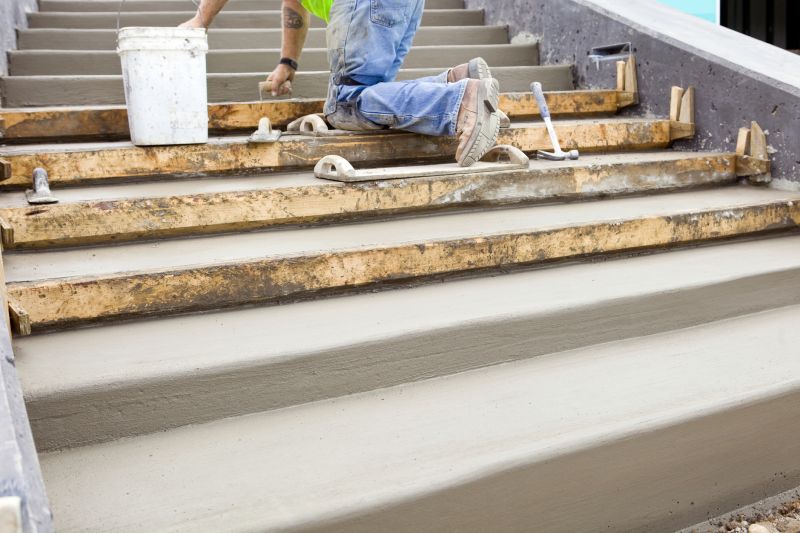
Clearly describe your stamped concrete project to help compare contractors, define scope, verify experience, and set expectations in writing.
- Verify the contractor’s experience with stamped concrete projects similar in scope and style. - Ensure the service provider can demonstrate a portfolio or references of completed stamped concrete work.
- Define the scope of work clearly in writing to avoid misunderstandings about design, pattern, and finish details. - Make sure all project expectations, materials, and finishes are documented before work begins.
- Compare multiple local contractors to assess their expertise, project approach, and communication style. - Gathering information from different providers helps identify the most suitable candidate for the job.
- Check that the contractor understands site preparation, surface grading, and concrete pouring requirements. - Confirm they are knowledgeable about preparing the area properly for stamped concrete installation.
- Request detailed descriptions of the stamping and sealing process to ensure quality and durability. - Clarify how the contractor plans to execute the stamping pattern and protect the finished surface.
- Ensure the scope includes cleanup procedures and post-installation care instructions for the stamped concrete. - Clarify how the contractor handles debris removal and surface protection after completion.
Compare local contractors’ experience and clarify project scope to ensure expectations are aligned.
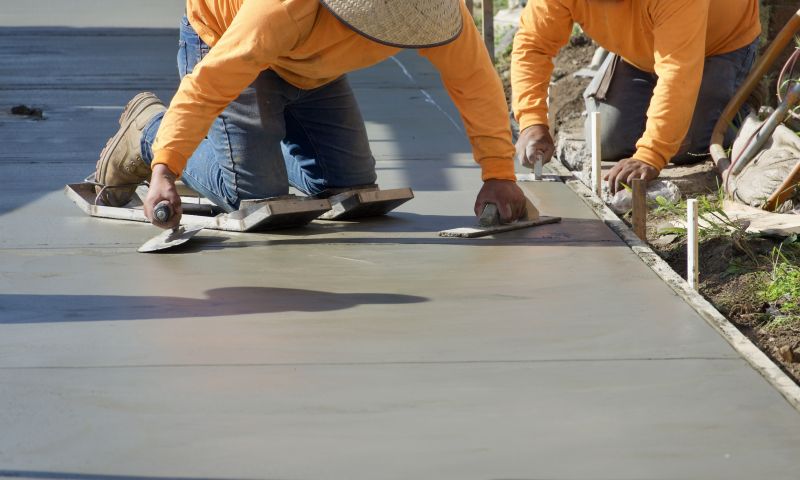
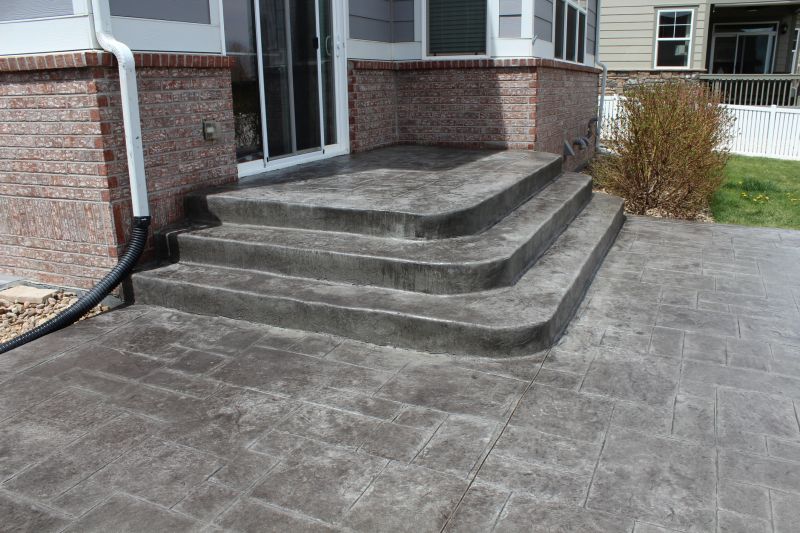


Learn how to compare local contractors for stamped concrete, establish clear scope, verify experience, and set written expectations.
- Project Scope - Clearly define the size, shape, and design pattern of the stamped concrete area.
- Material Specifications - Specify the types of concrete, stamps, and colorants to be used in the project.
- Preparation Requirements - Outline the necessary site preparation, including sub-base and form setup.
- Finish and Texture Details - Describe the desired surface texture, color, and finishing techniques for the stamped concrete.
- Warranty and Maintenance Expectations - Establish the coverage, duration, and maintenance practices recommended for the finished work.
When comparing contractors for stamped concrete construction, it is essential to evaluate their experience with projects similar to the one envisioned. Homeowners should inquire about the types of stamped concrete jobs the service providers have completed, paying attention to the complexity and scale of past work. Contractors with a proven track record in handling projects comparable in size, design, and terrain are more likely to understand the unique challenges involved and deliver results that meet expectations.
A clear, written scope of work is a vital element in assessing contractors. This document should outline specific details of the project, including the design pattern, color choices, surface preparation, and finishing techniques. Having a comprehensive scope helps ensure everyone is aligned on the project’s parameters, reducing misunderstandings and providing a solid foundation for accountability. Homeowners are encouraged to review and request clarification on any ambiguous language to confirm that the scope accurately reflects the desired outcome.
Verifying the basics of a contractor’s background is a key step in the selection process. This includes checking references from previous clients, reviewing project portfolios, and confirming that the contractor has experience with the materials and techniques intended for the project. It is also beneficial to verify that the contractor adheres to industry standards and employs quality practices during installation. Gathering this information helps homeowners gauge the reliability and skill level of potential service providers.
When evaluating options among local contractors, homeowners should focus on the consistency and clarity of their proposals. Comparing scope details, project approach, and the overall professionalism of communication can reveal how well each contractor understands the project’s requirements. Asking for detailed descriptions of their process and confirming that all aspects of the work are addressed in writing can help set clear expectations. This approach ensures that the selection process is thorough and informed, leading to a more confident decision based on expertise and reliability rather than price alone.
Ask contractors to provide written scope details to ensure clear expectations and consistent project understanding.
- **Experience and Portfolio** - What experience do local contractors have with stamped concrete projects similar to the scope of your job?
- **Scope of Work** - How do contractors define and document the specific scope of work included in their stamped concrete services?
- **Materials and Techniques** - What materials and stamping techniques do local service providers typically use, and how do they differ?
- **Warranty and Guarantees** - What warranties or guarantees do contractors offer to cover workmanship and materials?
- **Project Expectations** - How do local contractors clarify project expectations and ensure alignment before starting the work?
How can I compare contractors for stamped concrete construction? To compare local contractors, review their portfolios, verify their experience with stamped concrete projects, and check references or customer feedback to assess their reputation and quality of work.
What should I include in the scope of work when working with a contractor? Clearly define the project details, including design preferences, surface area, finishing techniques, and any specific patterns or colors to ensure all expectations are documented in writing.
How do I verify a contractor’s experience with stamped concrete? Ask for examples of previous projects, request references, and inquire about the types of stamped concrete techniques they have used to confirm their familiarity and skill level.
Why is it important to have everything in writing? Having the scope, materials, and expectations documented helps prevent misunderstandings, provides clarity for both parties, and serves as a reference throughout the project.
What questions should I ask a contractor before hiring? Inquire about their experience with stamped concrete, the process they follow, how they handle project variations, and how they ensure quality and durability in their work.
How can I ensure a contractor understands my design preferences? Share detailed descriptions, sketches, or images of your desired look, and confirm that the contractor acknowledges and agrees on these specifications in the project scope.
This page has highlighted the importance of understanding the scope of stamped concrete construction projects, verifying the experience of local contractors, and establishing clear expectations in writing. By comparing different service providers, visitors can make informed decisions that align with their specific project needs. Utilizing the quote form allows for straightforward comparisons among nearby contractors, helping to identify options that best match the project's requirements.
Taking the time to outline project details and ask questions can lead to better outcomes when working with local contractors. The quote form provides a simple way to connect with service providers who can handle stamped concrete construction tasks. Exploring multiple options ensures that choices are based on the scope of work and experience, making it easier to find the right fit for the project.